

Imagine walking into a home that already fits the rhythm of your day. A post at www.wz.de/ratgeber/haus-und-garten/bauen-im-wandel-digitalisierung-und-oekologie_aid-143657603 reflects a growing interest in homes that combine thoughtful design, smart technology, and sustainable living to make everyday routines simpler.
Design Rooms That Can Change With You
The most practical homes aren’t filled with rooms that serve only one purpose. A guest bedroom can become a home office during the week, while the dining table can double as a homework station or craft area. Flexible spaces allow your home to evolve without requiring expensive renovations. Every square foot works a little harder. Furniture makes a huge difference here. Fold-away desks, nesting tables, storage ottomans, and modular shelving give you options instead of limitations. Think of your home as a toolbox where every item has more than one job.

Build Around Daily Habits Instead of Floor Plans
Every household has its own rhythm. Some families rush through busy mornings, while others spend evenings gathered around the kitchen. Instead of copying magazine layouts, pay attention to how people naturally move through your home. Those everyday patterns often reveal the smartest design choices. For example, if shoes, bags, and jackets always pile up near the entrance, create a practical drop zone with storage and charging stations. If weekends revolve around cooking together, invest more space in the kitchen instead of a formal dining room that rarely gets used. A home should support your habits rather than asking you to change them.
Let Smart Technology Handle Everyday Tasks
Technology works best when you barely notice it’s there. Smart lighting can brighten rooms as the sun sets, while automated blinds adjust throughout the day to reduce glare and indoor heat. Programmable thermostats maintain comfortable temperatures without constant adjustments. These small conveniences quietly improve everyday living. Picture arriving home after a long day without searching for light switches or adjusting the thermostat room by room. Everything feels comfortable the moment you walk inside. Instead of spending time managing your house, you spend more time enjoying it. That’s the real value of practical automation.

Choose Storage That Evolves With Your Needs
Clutter usually appears because life changes faster than our storage solutions. Children collect new belongings, hobbies expand, and work-from-home setups require additional space. Flexible storage systems help your home keep up without feeling overcrowded. Adjustable shelving and modular cabinets make reorganizing much easier. Hidden storage also helps maintain a calm atmosphere. Benches with built-in compartments, beds with drawers underneath, and coffee tables with storage keep everyday items close without creating visual clutter. A tidy home becomes easier to maintain because everything has a logical place to go.
Plan for Tomorrow Without Overcomplicating Today
Future-ready homes aren’t built by chasing every new trend. They’re built by making thoughtful decisions that continue paying off years later. Energy-efficient appliances, connected home systems, and adaptable layouts remain valuable as technology and family needs continue to change. The best homes don’t force people to adjust their lives around the house. They quietly adapt to growing families, changing schedules, new hobbies, and different priorities without missing a beat. A flexible layout combined with practical technology creates a living space that feels comfortable today and remains just as functional years down the road.…




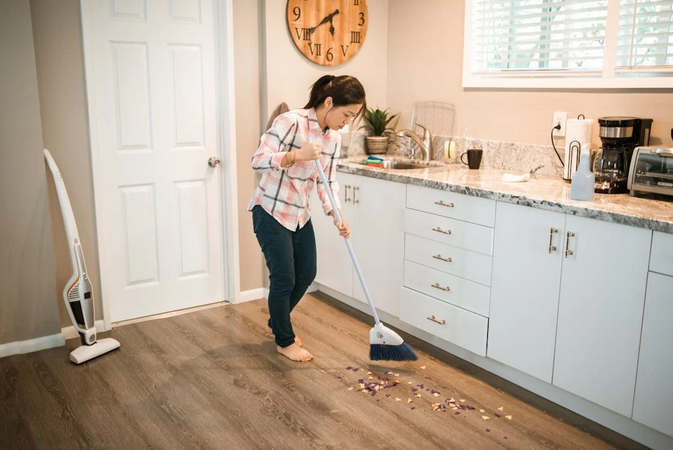 Rodents are attracted to accessible food. Improperly stored pantry items or pet food left out overnight can lure them inside. Keeping kitchens, pantries, and dining areas clean is critical. Store food in sealed containers. Dispose of garbage regularly and use bins with secure lids. Cleaning crumbs and spills promptly eliminates easy meals for pests. Reducing food availability makes your home less appealing to rodents. Maintaining cleanliness is a simple yet effective preventive measure.


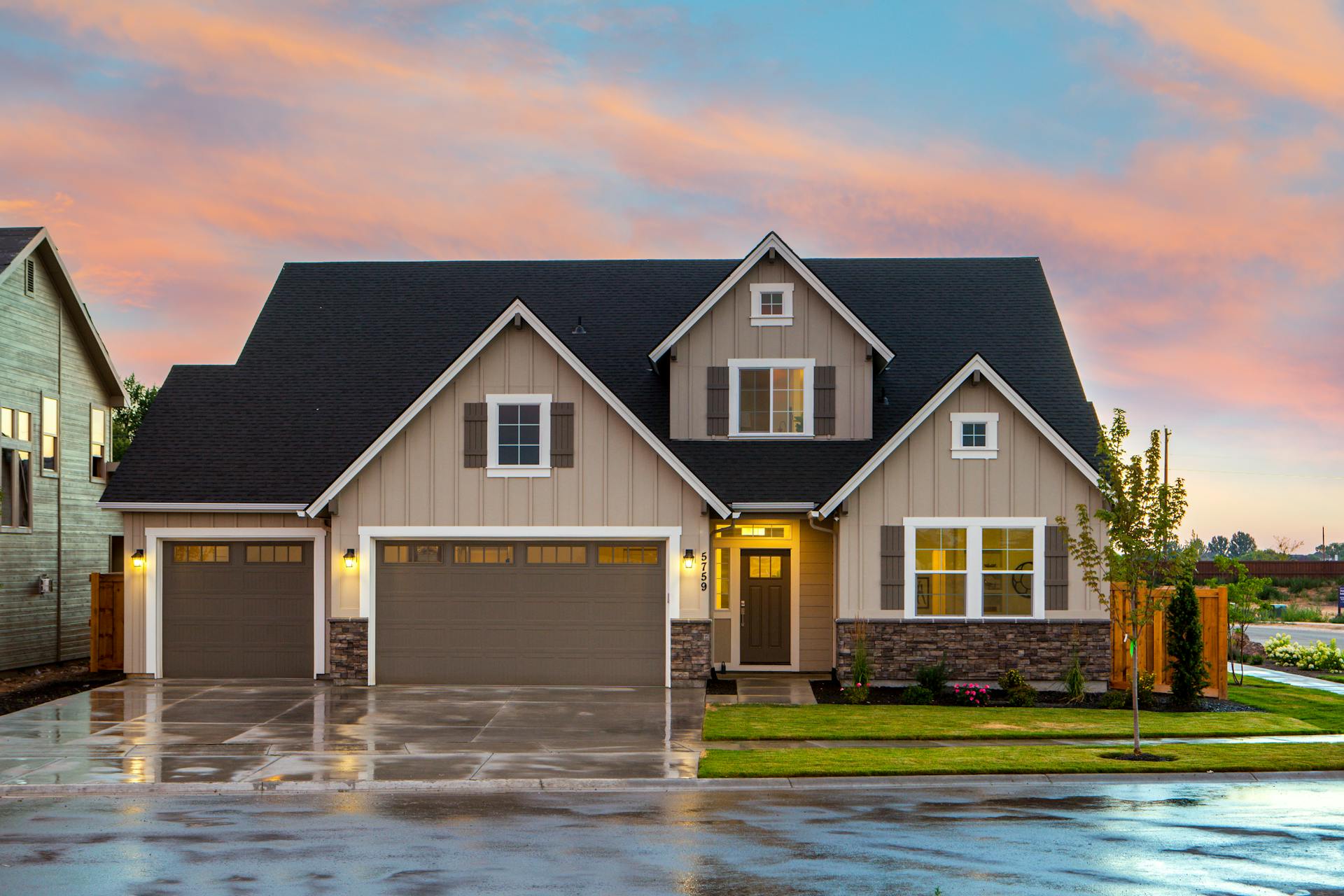
 Buying a





 When shopping for decals, material matters. Choose vinyl that’s labeled non-toxic and safe for children’s spaces. The adhesive should be strong but not damaging. The best decals peel cleanly without chipping paint. To apply, always wipe down the wall first. Smooth, clean surfaces ensure proper adhesion. Follow the manufacturer’s instructions and take your time with placement. If needed, mark the wall lightly with a pencil before peeling. This step helps with alignment, especially for larger designs.


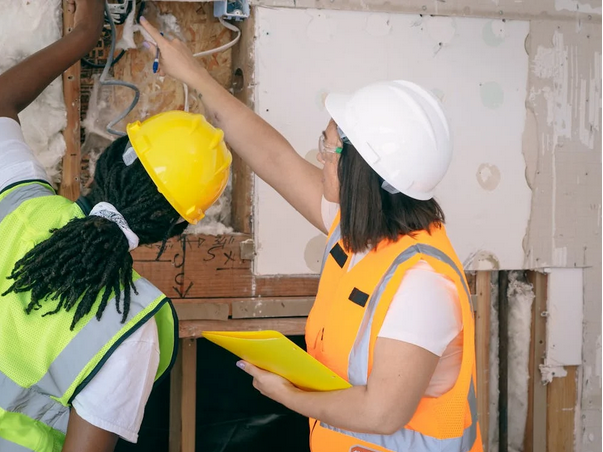






 Before you start browsing listings, take a moment to define your needs and wants. This step will help narrow your options and focus the search. Begin with your must-haves. Consider factors like location, number of bedrooms, and proximity to work or schools. These essentials are non-negotiable for a comfortable lifestyle.
 Choosing the right real estate agent can make a world of difference in your home-buying experience. Look for someone with local expertise and a solid track record. You want an agent who knows the neighborhoods you’re considering inside and out. Ask for recommendations from friends or family.
 Prefab homes often come with predefined designs and layouts. While this can speed up the building process, it limits your ability to personalize. If you have specific tastes or unique needs, you may find yourself boxed in. Customization options exist, but they typically revolve around aesthetic choices like paint colors or flooring materials.
 Speaking of the cost benefits, while they may seem like a cost-effective option, their long-term value could be questionable. Prefab homes often depreciate faster than architect-designed properties. This rapid decline can stem from their factory-built nature and limited uniqueness.









 The use of Big Data analytics is reshaping how real estate professionals analyze market
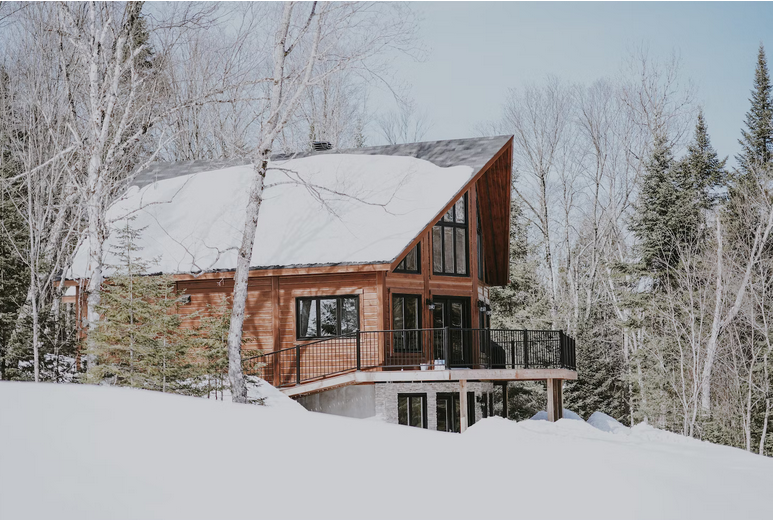
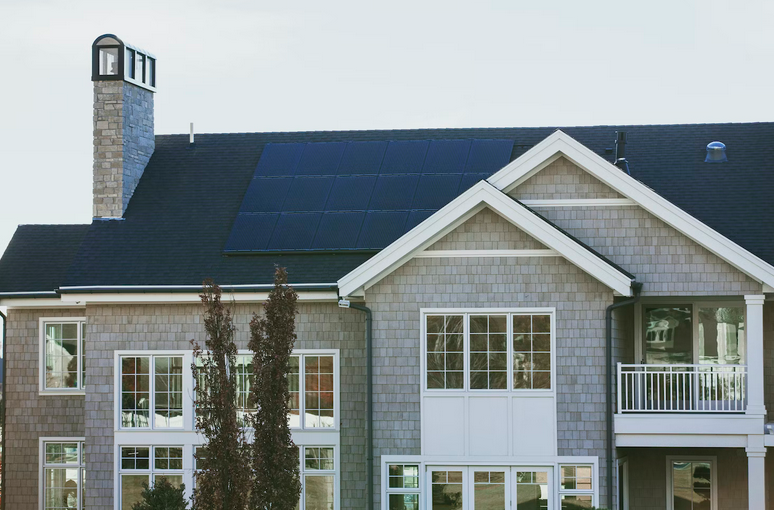

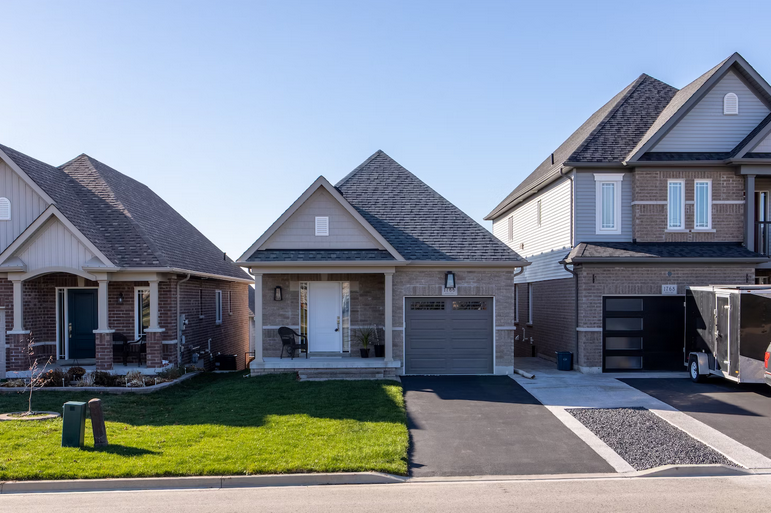
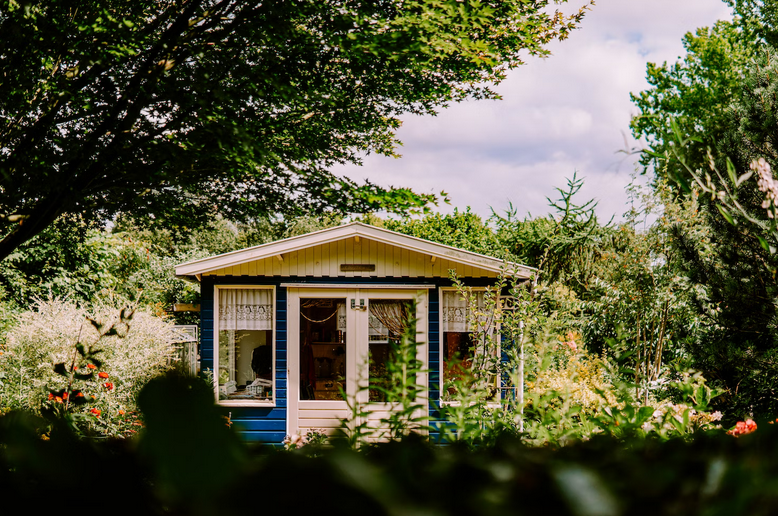
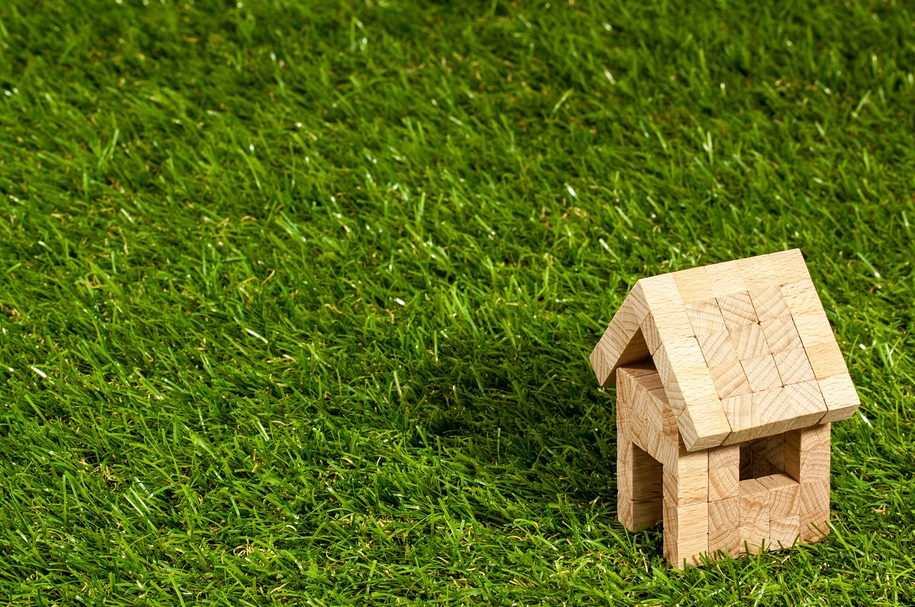
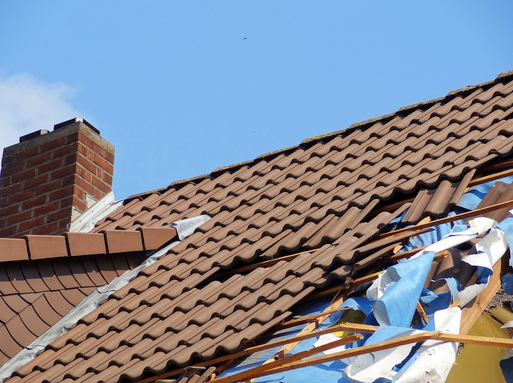
 One of the most important maintenance tasks to extend the lifespan of your roof shingles is to keep your roof debris-free. Debris, such as leaves, sticks, and other materials, can accumulate on your roof and gutters, causing water to back up and potentially damaging your shingles. Additionally, debris can trap moisture against your roof, leading to the growth of mold and mildew, which can cause even further damage to your shingles. To prevent this, it is important to regularly clean your gutters and remove any debris from your roof.



 There are a variety of pollutants that can affect the quality of your indoor air. These include things like lead, asbestos, mold, and radon. If you suspect that there might be any of these pollutants in your home, have them inspected by a professional immediately. If they are present, they should be eliminated as soon as possible to improve indoor air quality. When it comes to mold, you can be more aware of its presence by paying attention to the musty smells in your home.
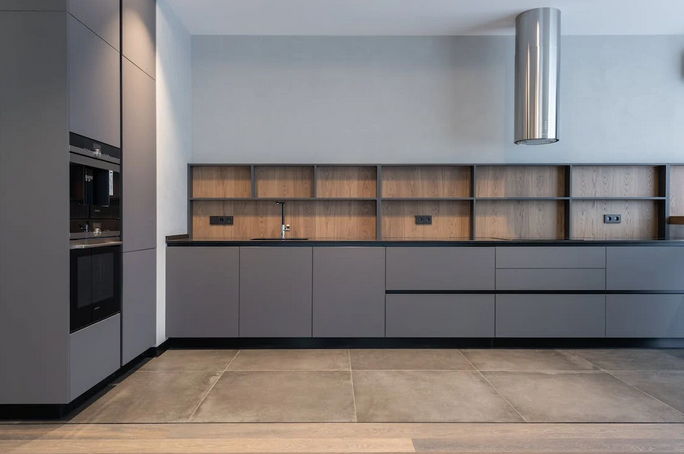 The most common cause of poor indoor air quality is the accumulated pollutants in a home. It is often due to a lack of ventilation. That’s why the next thing you need to try is to ensure adequate ventilation in your home. It can be done by regularly opening windows and doors or using exhaust fans in areas like the kitchen and bathroom. In fact, you can also do regular HVAC maintenance and see if the air vents and ducts are in good condition.
 One of the most essential things that professionals do when renovating their homes is to have a backup plan and be flexible. Things will inevitably go wrong during a renovation project. Plumbing might get backed up, walls might need to be replaced, and floors might need refinished. It’s important to have a contingency plan in place so that these problems do not catch you off guard. Additionally, professionals are also flexible when it comes to their renovation plans. They know they might have to make changes along the way, so they’re prepared for it. If you’re not flexible, you could end up being very disappointed with the final results of your project.
 Many professional contractors also give their homes a personal touch at the end. They add unique details that reflect their style. This could be anything from custom artwork to handmade furniture. By adding these personal touches, they create a space that is truly their own. If you’re not sure how to add a personal touch to your home, ask a professional for help.
 Trees grow at a rapid rate, and they can change a lot in just a few months. For this reason, you should inspect your trees every quarter. Look for any dead branches and remove them. Also, look for any branches that are growing too close to power lines or houses. These branches need to be trimmed back so they don’t cause any damage.
 If you have a lot of trees on your property, it’s best to hire a professional arborist. An arborist is trained in the care and maintenance of trees. They will be able to properly trim and prune your trees and provide you with advice on how to take care of them.